The Threat of Cedar Pollen to Your Car’s Paint
Why Is Pollen a Risk to Your Car’s Paint?
Your vehicle’s exterior is built to withstand daily exposure to the elements. However, pollen poses a unique threat due to its composition, size, and interaction with moisture.
1. Pollen Is More Than Just Dust: It’s Acidic
Cedar pollen contains natural acids that help break down its outer shell when it comes into contact with moisture. These acids are beneficial in nature, allowing the pollen grains to open up and fertilize new trees. Unfortunately, on your car, they are bad news.
When pollen sits on your paint for too long, these acids can start damaging the clear coat. The clear coat is the thin, protective layer that sits on top of your car’s paint. It shields your vehicle from UV rays, dirt, and minor contaminants. However, because the clear coat is porous, acidic substances like pollen can seep in and begin to break it down.
Once the clear coat starts deteriorating, your car becomes more susceptible to:
- Oxidation (fading, dullness, and discoloration)
- Etching (small pits or rough spots in the paint surface)
- Permanent stains from pollen residue
Etching on the paint of vehicle
2. Pollen Bonds with Moisture, Making It Harder to Remove
Pollen isn’t just floating dust. It’s a biological particle that reacts to its environment. When pollen mixes with moisture from morning dew, rain, or even high humidity, it becomes sticky and harder to wash off.
Rather than easily blowing away, wet pollen can:
- Harden onto your paint, requiring scrubbing or chemical removal.
- Sink into scratches and imperfections, making them more noticeable.
- Leave behind an oily residue, which can cause streaking if not removed properly.
3. Wiping Pollen Off Can Cause Scratches
A common mistake people make is trying to wipe off pollen with a dry cloth, their hand, or even a gas station squeegee.
The problem? Pollen grains are abrasive. Under a microscope, they have tiny spikes and rough edges. This can create micro-scratches in your clear coat. If you wipe pollen away while it’s dry, you’re essentially rubbing a fine layer of sandpaper across your car’s paint.
Scratches and swirls not only make your paint look dull, but they also weaken the clear coat, making your car more vulnerable to sun damage, oxidation, and future contamination.
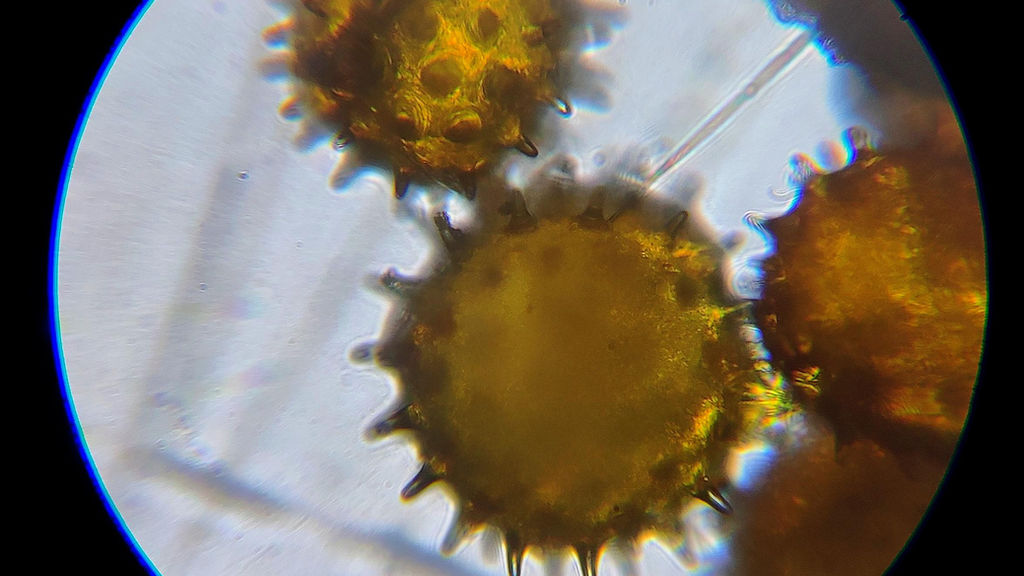
Pollen grain under a microscope
How to Safely Remove Pollen Without Damaging Your Paint
Since pollen can be acidic, sticky, and abrasive, removing it correctly is essential to maintaining your car’s paint.
1. Rinseless & Waterless Wash Methods (Used at APC Auto Spa)
At APC Auto Spa, we specialize in rinseless and waterless washes. These methods are safer, more efficient, and eco-friendly for removing pollen without damaging your car.
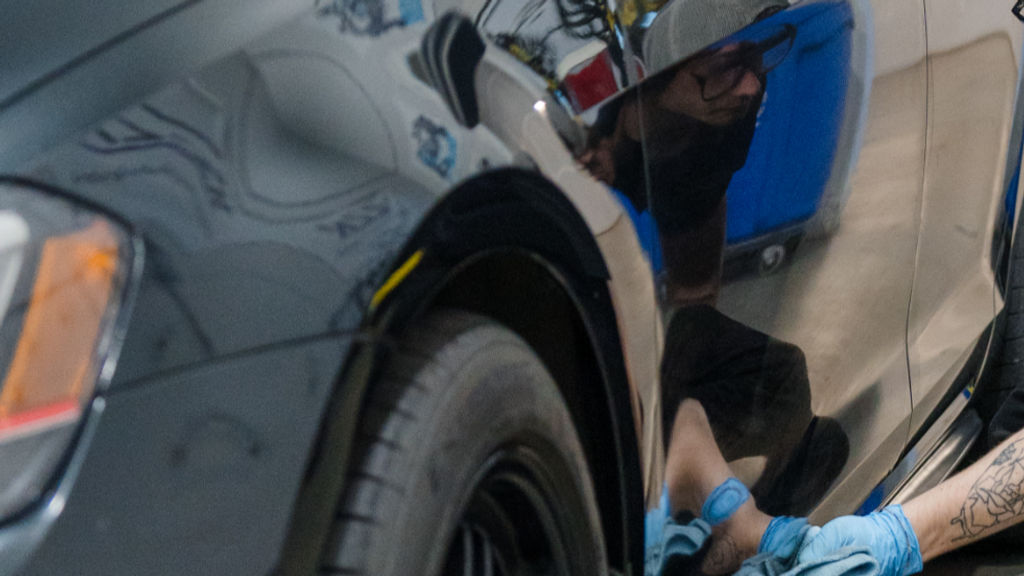
- Rinseless Wash, A high-lubricity solution is applied with microfiber towels to lift and encapsulate pollen, reducing the risk of scratches. No rinsing with a hose is required, making this method perfect for those who want a thorough clean without excessive water use.
- Waterless Wash, A specially formulated spray is applied and gently wiped away with a microfiber towel, ideal for light pollen buildup and in-between full washes.
Both methods are safe for ceramic coatings and paint protection film. They are excellent choices for pollen removal without the risk of scratches.
2. Traditional Wash Methods (For Those Who Wash at Home)
While APC Auto Spa does not offer traditional hose-and-bucket washes, we know many car owners wash their vehicles at home. If you choose this method, keep these tips in mind:
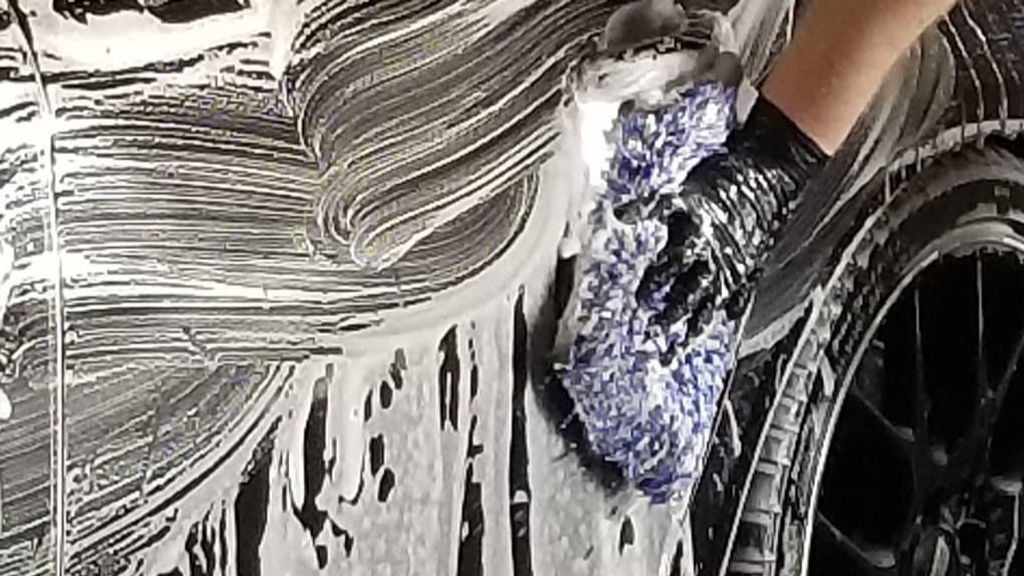
- Foam Cannon Pre-Wash, If using a foam cannon, let the suds dwell for a few minutes to loosen pollen before rinsing.
- Two-Bucket Wash Method, Use one bucket for clean soap and another for rinsing your mitt. This avoids reintroducing pollen and dirt onto your paint.
- Avoid Dish Soap or Harsh Detergents, These can strip protective coatings and leave your paint vulnerable.
Even with a traditional wash, a rinseless wash is a great option for maintenance between deep cleans.
3. Protect Your Paint with a Ceramic Coating
If you want to prevent pollen from sticking to your car in the first place, applying a ceramic coating is one of the best defenses. A sealant or fast wax can also work as a short-term solution.
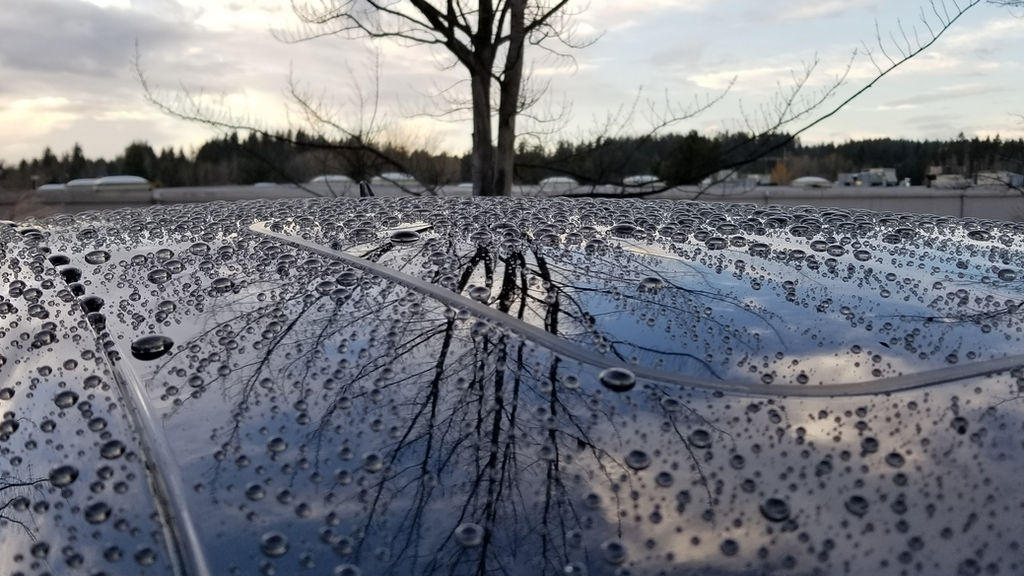
A ceramic coating creates a hydrophobic (water-repelling) layer that makes pollen:
- Less likely to bond to the paint
- Easier to rinse or wipe off without scrubbing
- Less damaging since the coating provides an extra barrier between the pollen and the clear coat
Even if you already have a ceramic coating, regular maintenance washes help ensure it continues to work effectively throughout pollen season.
How APC Auto Spa Can Help Protect Your Car
Seattle’s cedar pollen season can last for weeks. This leaves your car at risk if it is not properly maintained. At APC Auto Spa, we offer:
- Rinseless & Waterless Washes, Safe and eco-friendly for pollen removal without the need for excessive water. This is great for vehicles already protected with a coating, sealant, or paint protection film.
- Decontamination Washes, We provide a deeper clean with clay and top it with a protective sealant. If you have winter grime splattered on your car and it's now topped with pollen, this service is for you!
- Ceramic Coatings, Looking for a long-term solution to make washing easier? Our Ceramic Pro packages Sport, Silver & Gold, and ION and Ultimate ION offer various protection levels and price points.
- Expert Advice, Find out how to maintain your vehicle’s finish between washes. We can recommend the best service to suit your needs. We also have a retail store that offers DIY supplies for washing at home.
Locations in Tukwila and Monroe
Final Takeaway: Cedar Pollen Isn’t Just an Eyesore: It’s a Threat to Your Paint
While it may seem like harmless dust or ash, Seattle’s cedar pollen is acidic, sticky, and abrasive. Over time, it can eat into your clear coat, bond with moisture, and cause scratches if removed incorrectly.
By using proper pollen removal methods, such as rinseless washes, waterless washes, and ceramic coatings, you can keep your car looking its best throughout pollen season.
Want a hassle-free way to keep your car protected?
Let APC Auto Spa take care of it for you! Call or text 425-818-2820 or email us at info@apcautospa.com