Separating Fact from Fiction: Everything you need to know about paint protection film
Separating Fact From Fiction: What Paint Protection Film Really Does Today
Paint Protection Film (PPF) a.k.a. “clear bra” has been around for years, yet it remains one of the most misunderstood forms of vehicle protection. Much of what people believe about PPF is based on outdated information, early film technology, or exaggerated marketing claims. This guide is designed to clarify what modern paint protection film actually does, what it doesn’t, and when it makes sense - so you can make an informed decision without unrealistic expectations.
What Paint Protection Film Is
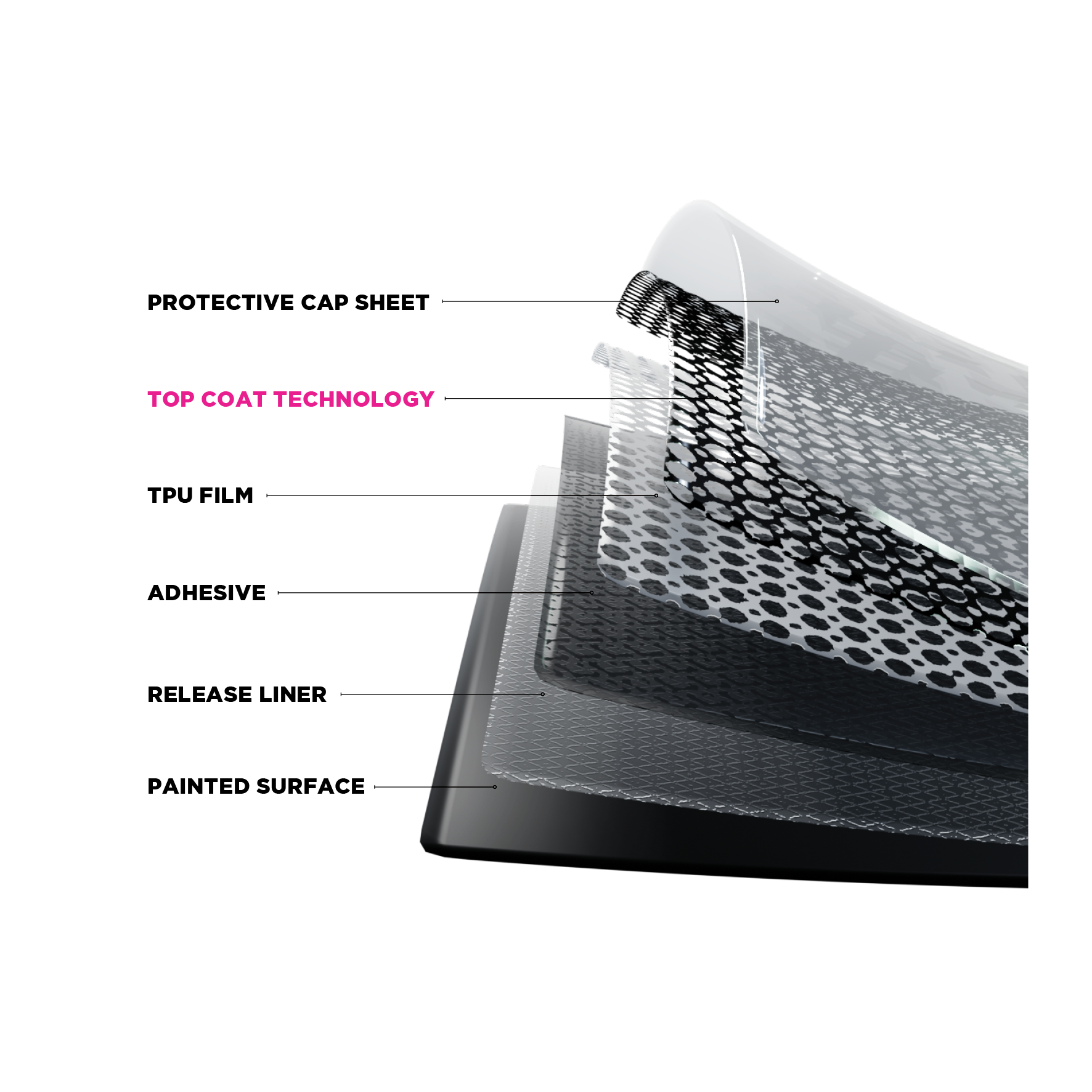
Paint Protection Film is a clear, flexible urethane material applied to painted surfaces of a vehicle. Its purpose is to help reduce damage caused by everyday driving conditions, including:
- Rock chips and road debris
- Light scratches and surface abrasions
- Bug splatter and environmental fallout
- Premature wear on high-impact areas
PPF acts as a sacrificial layer, absorbing minor damage so your factory paint doesn’t have to.
Modern films are significantly more advanced than early versions, offering improved clarity, flexibility, and long-term stability when installed and maintained correctly.
What Paint Protection Film Is Not
One of the biggest sources of confusion around PPF comes from unrealistic expectations. Paint protection film is not:
- A guarantee against all damage
- A replacement for safe driving
- A solution for existing paint defects
- A maintenance-free product
Understanding these limitations is key to appreciating what PPF is actually designed to do.
Common Paint Protection Film Myths
Myth 1: “PPF makes your car invincible”
Reality: Paint protection film significantly reduces damage from everyday hazards, but it is not indestructible. It is designed to protect against common road wear, not major impacts or collisions.
Myth 2: “Only luxury or exotic cars need PPF”
Reality: This belief is outdated. Daily drivers, SUVs, trucks, and commuter vehicles often benefit the most from PPF because they experience frequent highway driving, construction zones, and harsh weather conditions.
Myth 3: “Paint protection film turns yellow over time”
Reality: Yellowing was a concern with early film technology. High-quality modern PPF is engineered with UV resistance to maintain clarity over time. Discoloration is typically associated with low-grade materials or improper installation.
Myth 4: “PPF will damage paint when removed”
Reality: When installed and removed properly, paint protection film is designed to come off without harming factory paint. Issues usually stem from poor installation practices or improper removal techniques.
Myth 5: “PPF means you never have to wash your car”
Reality: PPF makes cleaning easier, but it doesn’t eliminate maintenance. Regular washing helps prevent contamination buildup and supports the long-term appearance of both the film and the paint underneath.
Where Paint Protection Film Makes the Most Sense
Paint protection film is most effective when applied to areas that see the most impact during normal driving, such as:
- Front bumper
- Hood (partial or full)
- Front fenders
- Side mirrors
- Rocker panels
These areas are consistently exposed to debris and abrasion, making them ideal candidates for protection. PPF can be applied to any painted surface of the vehicle you are wishing to protect though!
Appearance: Will Paint Protection Film Be Visible?
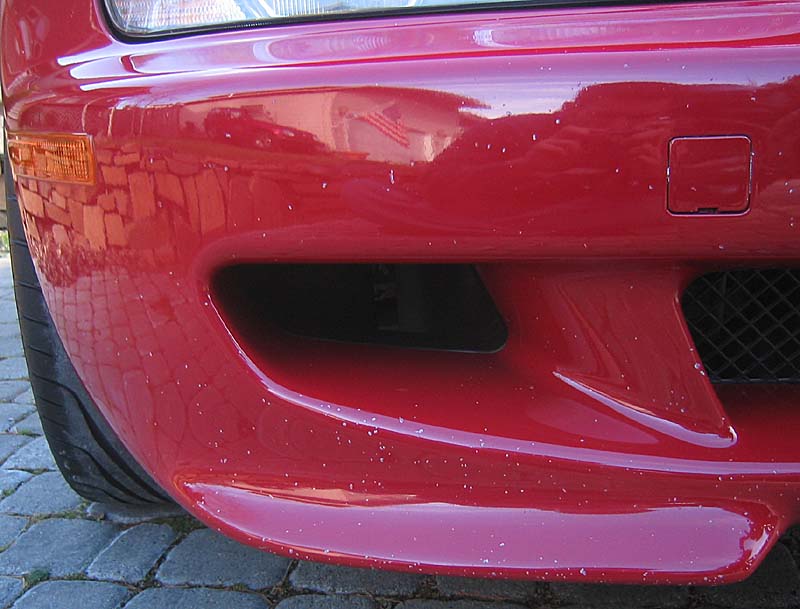
When professionally installed, modern paint protection film is designed to be discreet and preserve the original appearance of your vehicle. It does not change the color of the paint and often helps maintain gloss by shielding the surface from micro-abrasions and environmental wear. That said, it’s important to set realistic expectations. While high-quality PPF is nearly invisible from a normal viewing distance, it is still a physical layer applied to the vehicle. In certain lighting, at very close range, or along complex edges and body lines, the film may be subtly noticeable. This is normal and part of how protective films function.
Beyond traditional clear film, today’s paint protection options also allow for choice. PPF is available in gloss and matte finishes, as well as fashion films and colored paint protection film for those who want protection with a customized look. Whether the goal is to preserve the factory finish or intentionally change the appearance, the underlying purpose of PPF remains the same: protecting the paint beneath.
The goal of paint protection film isn’t to make a vehicle look different unless you choose that option - it’s to help it look the same for longer, or intentionally change the look while still maintaining protection.
Why Installation Quality Matters
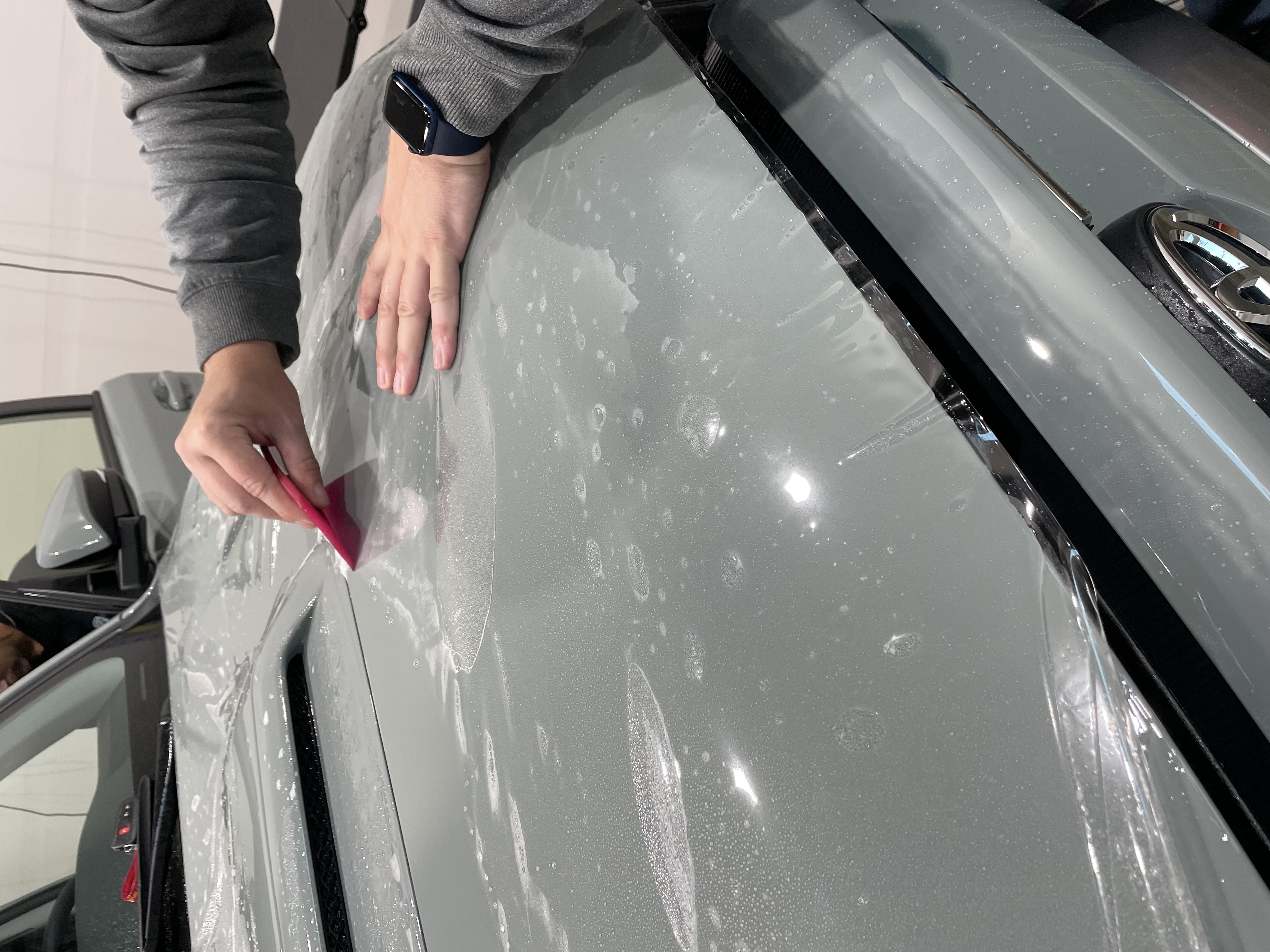
Paint protection film is only as effective as the installation behind it. Even the highest-quality film can underperform or look subpar if it isn’t applied correctly. Installation quality directly affects how the film looks, how long it lasts, and how well it protects the paint underneath. Proper installation starts with thorough surface preparation. The vehicle must be meticulously cleaned, decontaminated, and prepped so the film can bond evenly. Any residue, debris, or imperfections left on the surface can become trapped beneath the film, impacting both appearance and adhesion.
Precision during installation is equally important. Modern vehicles have complex curves, edges, sensors, and body lines that require careful alignment and controlled stretching of the film. Poor technique can lead to visible seams, uneven edges, tension marks, or premature lifting over time. Edge work plays a major role in long-term performance. Clean, well-finished edges help the film stay securely in place and reduce the likelihood of peeling or contamination buildup. Rushed or imprecise edge work is one of the most common causes of early failure.
Curing and post-installation handling are also critical. Paint protection film needs time and proper conditions to fully set. Incorrect curing, premature exposure to moisture, or improper aftercare can compromise adhesion and appearance before the film has stabilized.
In short, professional installation isn’t just about how the film looks on day one, it determines how it performs months and years down the road. Quality installation helps ensure the film remains protective, discreet, and durable for the long term.
Professional installation helps ensure:
- Proper adhesion
- Minimal visible edges
- Reduced risk of lifting or contamination
- Long-term durability that matches expectations
Is Paint Protection Film Worth It?
Paint protection film tends to make sense for vehicle owners who:
- Drive frequently on highways
- Plan to keep their vehicle long-term
- Want to preserve paint condition rather than repeatedly correct it
- Prefer preventative protection over repair
It’s not about achieving perfection - it’s about slowing down the visible effects of everyday driving.
Final Thoughts
Paint Protection Film isn’t a trend or a shortcut - it’s a practical tool when used with the right expectations. Much of the confusion around PPF comes from outdated information or unrealistic claims that don’t reflect how modern film is actually designed to perform. When viewed correctly, paint protection film is about preservation, not perfection. It helps slow down the visible effects of everyday driving, reduces the need for frequent paint correction, and protects the areas of your vehicle that are most exposed to wear.
Like any protective solution, its effectiveness depends on thoughtful application, proper installation, and realistic care. Technology has improved significantly over the years, but the fundamentals remain the same: quality materials, experienced installation, and informed decisions matter more than marketing promises. Understanding what PPF does - and just as importantly, what it does not do - allows vehicle owners to choose protection that aligns with how they drive, how long they plan to keep their vehicle, and what they value most.
For those who see their vehicle as more than just transportation, paint protection film offers a measured, long-term approach to maintaining appearance and protecting their investment. When expectations are clear, PPF delivers exactly what it’s intended to do: protect where it matters most, for the long haul.
Driving in Seattle? Our local page covers road conditions, coverage and pricing for paint protection film in Seattle.